Technical Due Diligence Isn’t a Gate. It’s a Competitive Weapon.

The VCs closing the best deals in autonomous systems aren’t doing less diligence. They’re doing fundamentally better diligence faster, deeper, and with people who’ve actually been in the environments these systems are built for. The companies winning the capital are figuring out the same thing from the other side. A VC called us on a […]
The Illusion of Dual-Use Startups

Why Two Markets Usually Means Zero “Serving both civilian and defense markets” has become one of the most attractive narratives in deep tech. It promises: For founders, it signals flexibility. For investors, it signals optionality. But beneath the surface, dual-use is often not a strategy – it is a misinterpretation of how markets, institutions, and […]
The Billion-Dollar Bird: The Definitive 2026 Drone Warfare Revolution
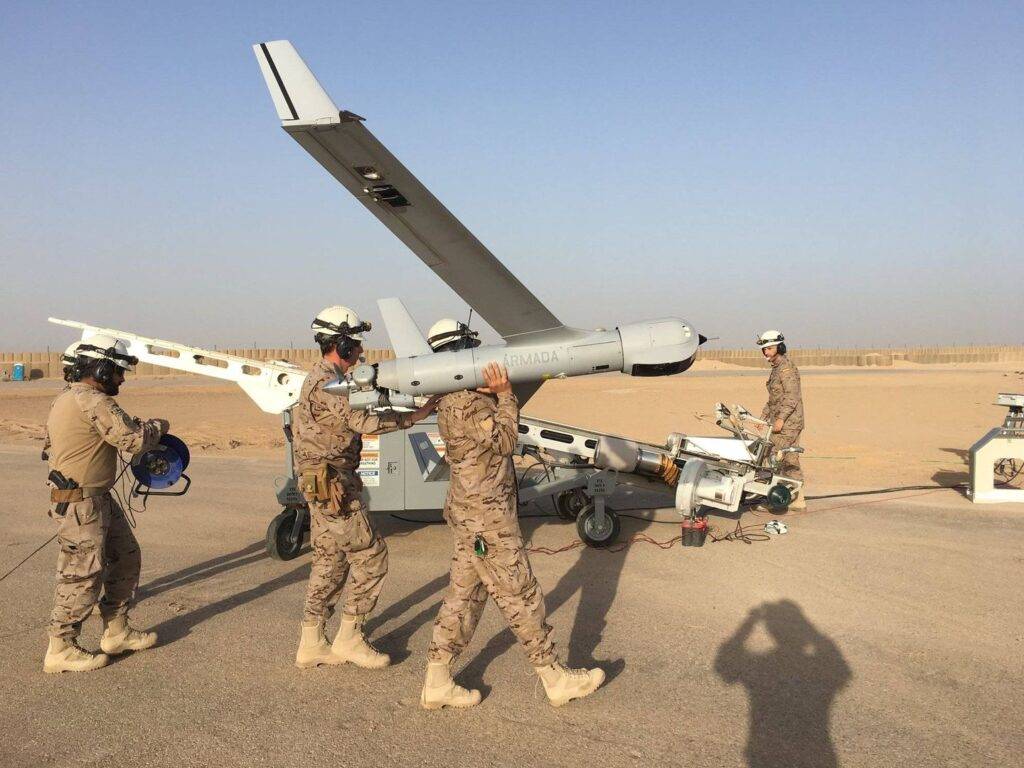
The cost of a wrong procurement choice isn’t just measured in lost capital, it’s measured in compromised national security.
Cheap Drones vs Million Dollar Missiles: The New Math of War
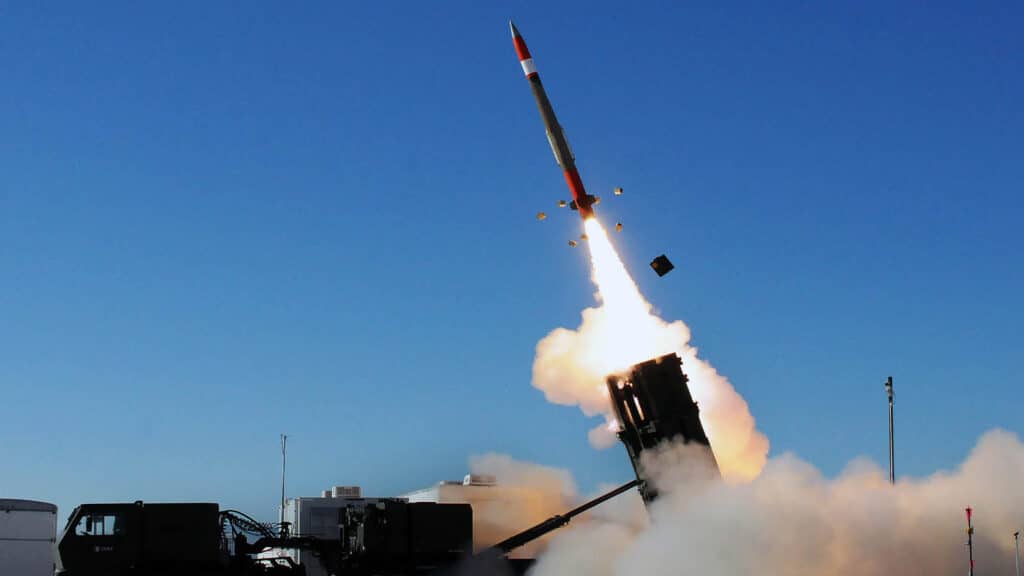
Cheap drones cost $30K. Million-dollar missiles cost $4M. The WSJ just made it a headline. UAX breaks down what the economics of the current conflict mean for defense-tech investors.
Reality Is the Only Test: Critical Truths About Autonomous Systems Validation
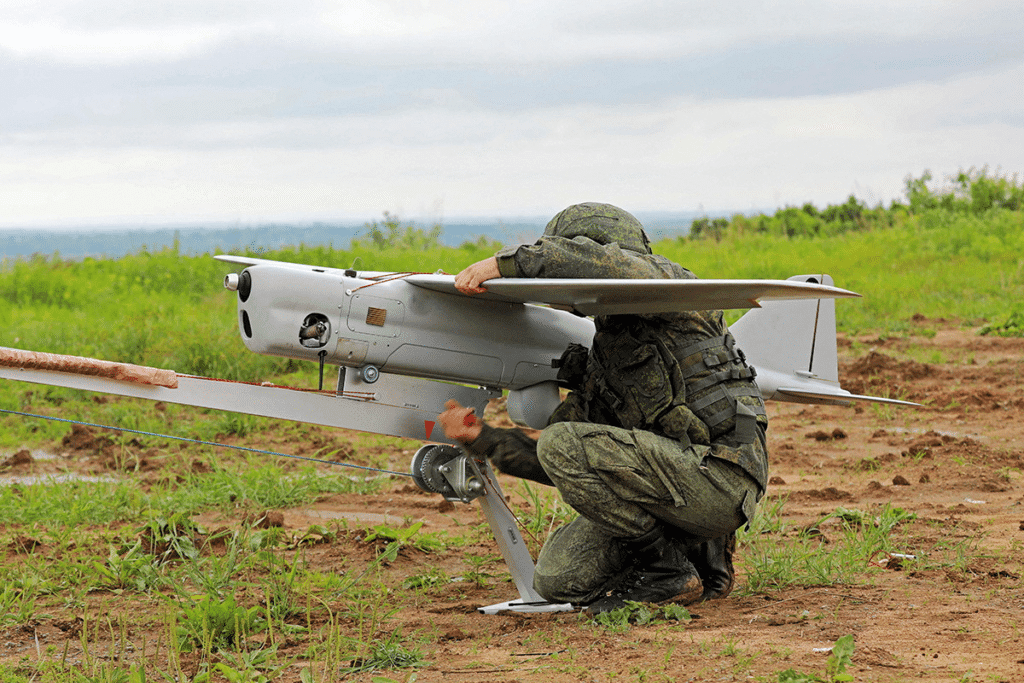
Autonomous systems validation is reshaping modern warfare. Most technologies perform well in controlled environments but fail in real world conditions. This article explores why validation is the missing layer in defense innovation.
The Future of Autonomous Validation

As autonomy accelerates, the gap between laboratory performance and real-world reliability becomes mission-critical. This thought-leadership piece explores how the next decade of unmanned systems will be shaped by rigorous field validation, data-driven decision frameworks, and multi-domain testing that redefines what “mission-ready” truly means.
How Curated Access Is Transforming Defense-Tech Investing
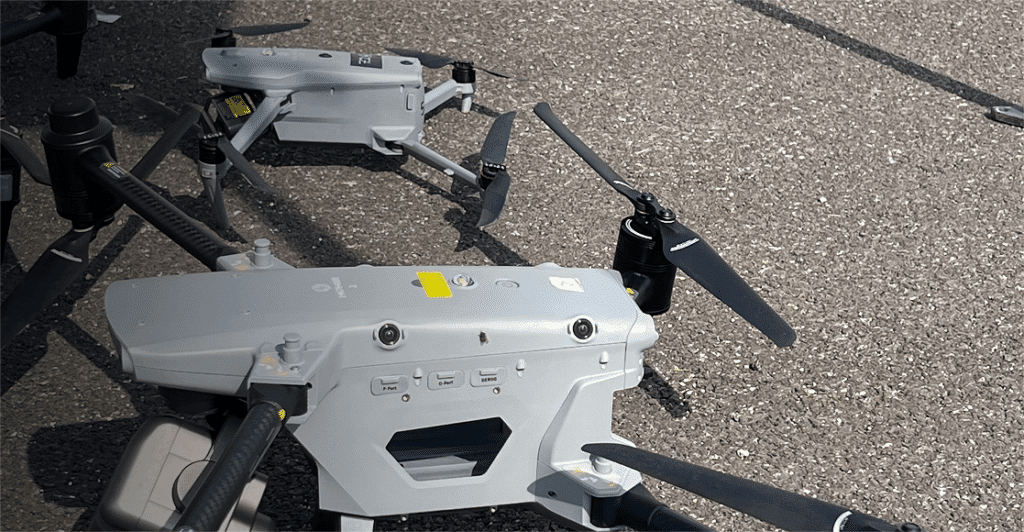
Investors increasingly struggle to identify credible opportunities in autonomy and defense tech. This article explains how structured networks, vetted pathways, and technical clarity are helping VCs and corporate strategics find high-signal deals in a noisy market.
Why Dual-Use Startups Need Operational Feedback

Many promising autonomous solutions fail not because of technology, but because they misalign with real mission needs. This post outlines how early exposure to operator workflows, edge-case scenarios, and field constraints helps founders build products that survive beyond the prototype stage.
How commercial innovation is rewriting defense, investment, and national capability

For decades, dual-use lived in policy documents and export-control lists; a technical label for technologies that could serve both civilian and military needs. Born in the nuclear era, expanded through aerospace, and later stapled onto “sensitive but versatile tech.”
But the world has shifted.