The VCs closing the best deals in autonomous systems aren’t doing less diligence.
They’re doing fundamentally better diligence faster, deeper, and with people who’ve actually been in the environments these systems are built for. The companies winning the capital are figuring out the same thing from the other side.
A VC called us on a Wednesday. They needed to send a term sheet to a drone company by Monday and wanted real operator feedback on the system before they committed. Not a technical review. Not a reference call with people the founder introduced them to. Actual people who have run systems like this in the field, under pressure, in the conditions where things go wrong.
My reaction wasn’t “can we do this? That kind of turnaround is just normal for how VCs move. The question was how to deliver something genuinely useful in that window , not a rushed opinion, but a real insight they could make a decision on.
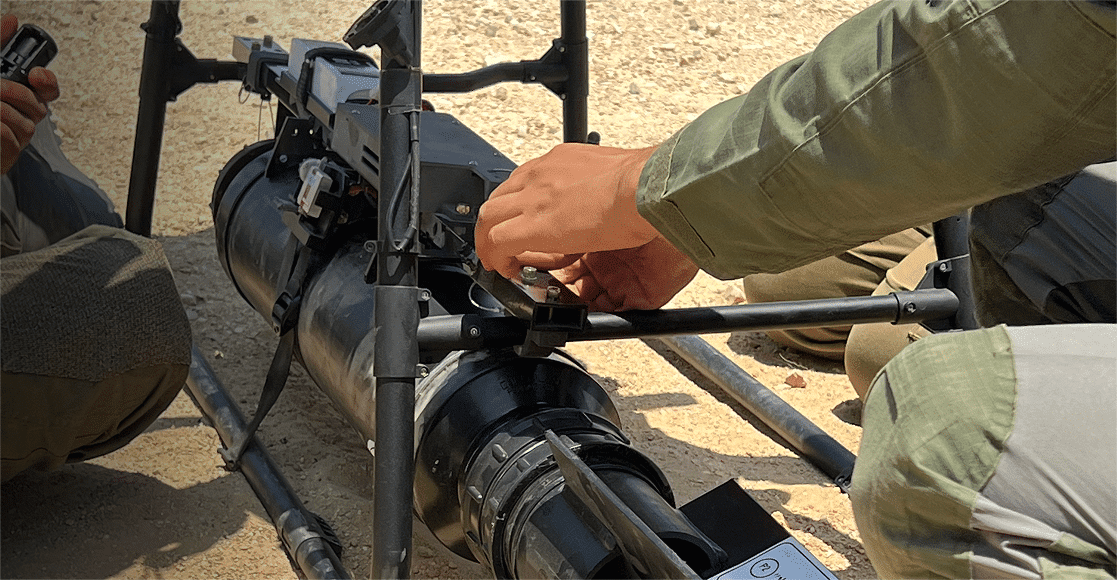
We structured it in two phases. Phase 1: vocal feedback from operators , people currently in service, ex-military, individuals running actual units using comparable systems, and investors who have backed similar technology and seen it perform or fail. That we could turn around in 48 hours. Phase 2: one of our technical diligence specialists takes the system into the field. Hands-on. Real conditions. Documented. That takes seven days to do properly.
What VCs Actually Want From Technical Diligence
Here’s what most people don’t say out loud about VC technical diligence in this space: most funds don’t really know how to approach it. They understand markets. They understand business opportunities and financial upside and exit multiples. What they often don’t have is someone who can tell them whether the technology actually does what it claims , not in a lab, not in a demo, but in the world it’s supposed to operate in.
And that gap between the lab and the field is enormous in autonomous systems. These are not software products where a bug gets patched overnight. The failure modes are physical. The environments are adversarial by design. A system that performs cleanly in a controlled test range and falls apart the first time someone runs a jammer nearby isn’t a product problem you can iterate your way out of after the check clears.
What VCs mostly want, if you ask them honestly, isn’t a comprehensive technical audit. They want someone from the field who can tell them they’re not getting it wrong. That’s a reasonable thing to want. The problem is that most of the people being asked to fill that role advisors, technical consultants, engineers who review documentation, haven’t been in those environments either. They’re evaluating the presentation of the technology. Not the technology.
The lab and the field are completely different worlds. Most diligence never leaves the lab.
The Numbers Make the Stakes Clear
The numbers make the stakes clear. In 2025, $49.9 billion went into defense tech across 966 deals. Autonomous systems led all categories in deal value at $12.1 billion. Late-stage valuations for autonomous systems startups hit a median of $401 million up from $156 million the year before . This is not a niche corner of the market anymore. And the pace of capital deployment means there is very little time between “we like this company” and “we need to decide.”
That compression is exactly where the advantage lives. When a round is competitive and the timeline is short, the investor who can form a confident technical view — fast, independently, based on actual operator experience — isn’t just better informed. They can move when others can’t. Venture growth and late-stage deals captured roughly 87% of deployed capital in 2025. Allocations in the best rounds don’t wait for the cautious.
The Founders Who Arrive Investment-Ready Win Faster
The same logic applies to companies, and I’d argue it applies even more directly. The founders who understand where this market is going aren’t waiting for investors to run diligence on them. They’re commissioning it before they go to market. They show up with documented field validation from independent operators not their own test footage, not internal data — and the entire conversation shifts.
Instead of spending the first three meetings convincing an investor the technology works, you spend those meetings talking about deployment, scale, and what the business looks like in three years. The question moves from “will this work?” to “how fast do we move.” That’s a different negotiation entirely.
The question moves from “will this work?” to “how fast do we move.”
Banks figured this out a long time ago. You don’t get to self-certify your own creditworthiness. The independence of the assessment is what makes it mean something. Independent technical validation works the same way it carries weight precisely because it didn’t come from the company being evaluated.
The pharma comparison is closer still. You don’t walk into an investor meeting hoping nobody asks about efficacy. You bring the trial data. The rigor is the pitch. A company that arrives with Phase 1 operator feedback and Phase 2 field results is not just better prepared it has removed the main source of uncertainty that was slowing the conversation down.

The Old Model Is Still Moving Most of the Capital
None of this would be a competitive advantage if the whole market were already doing it. It isn’t. Most capital in this space is still moving on the older model — demo performance treated as a proxy for field performance, technical evaluation delegated to people who haven’t been in the environments that matter, lab results presented as evidence of operational readiness.
That model is going to keep producing the same outcomes. Systems that looked right until they didn’t. Rounds that closed on momentum and stalled on deployment. The gap between what a pitch claims and what a field operator sees isn’t closing on its own.
The investors and companies that have worked this out are already operating differently. The deals look different. The outcomes look different. And as capital continues to concentrate in autonomous systems at a pace the market hasn’t seen before, that gap becomes harder to ignore and harder to recover from if you’re on the wrong side of it.
UAX provides independent technical due diligence for autonomous systems and defense technology for investors who need to move with conviction and for companies who want to arrive investment-ready. uaxvc.com