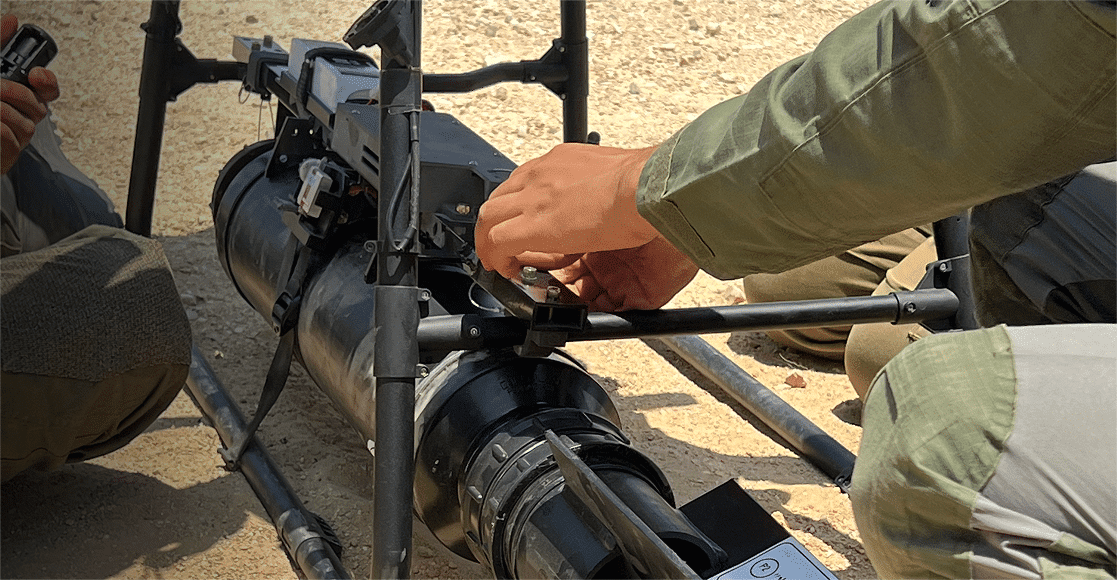
Autonomous systems validation is becoming the defining factor in modern warfare. For decades, military advantage was largely a function of capital.
Bigger budgets meant better equipment.
More funding meant technological superiority.
That equation is breaking.
The next generation of warfare is not defined by single, expensive systems — but by large-scale, adaptive, and autonomous technologies.
Drones.
Unmanned systems.
AI-driven decision layers.
We are entering the era of distributed capability.
In the current Middle East conflict involving the United States, Israel, and Iran, we can see how relatively low-cost autonomous systems can challenge traditional military power. What matters is no longer just how advanced a system is — but how fast it can be deployed, tested, adapted, and trusted in real-world conditions.
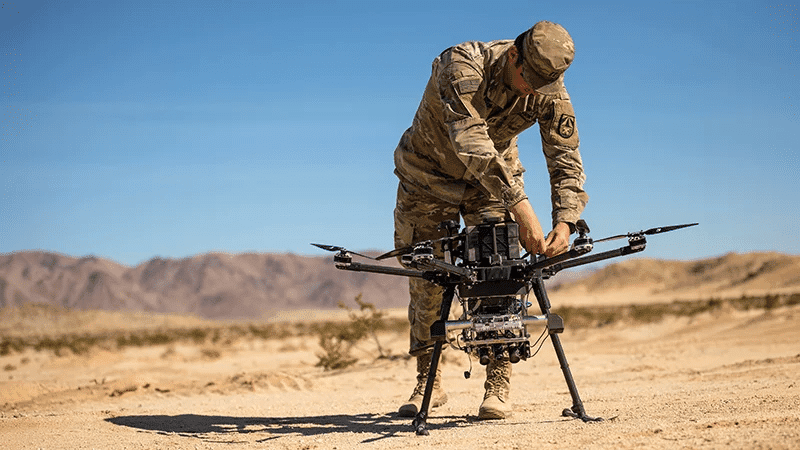
As highlighted in a Reuters analysis, low-cost drones are forcing militaries to spend millions to intercept systems built at a fraction of the cost.
At the same time, the Middle East itself is becoming a real-world proving ground for autonomous systems — where technologies are tested, adapted, and validated under live operational conditions rather than controlled environments, as explored by Forbes.
We also see the growing necessity for speed-to-field across the defense ecosystem.
In some cases, a simple, low-cost system performs effectively not because it is inherently superior — but because it has been forced into real-world conditions early.
A drone built under constraints is often tested, adapted, and proven in live environments out of necessity.
At the same time, more advanced systems can spend years in controlled development — optimized for ideal scenarios, but never exposed to operational reality.
The result is not a gap in technology, it is a gap in validation.
This shift changes everything.
Because capital alone does not guarantee effectiveness.
In fact, one of the biggest risks today is misallocation of capital into technologies that perform well in controlled environments but fail under operational pressure.
The problem is not innovation, the problem is validation.
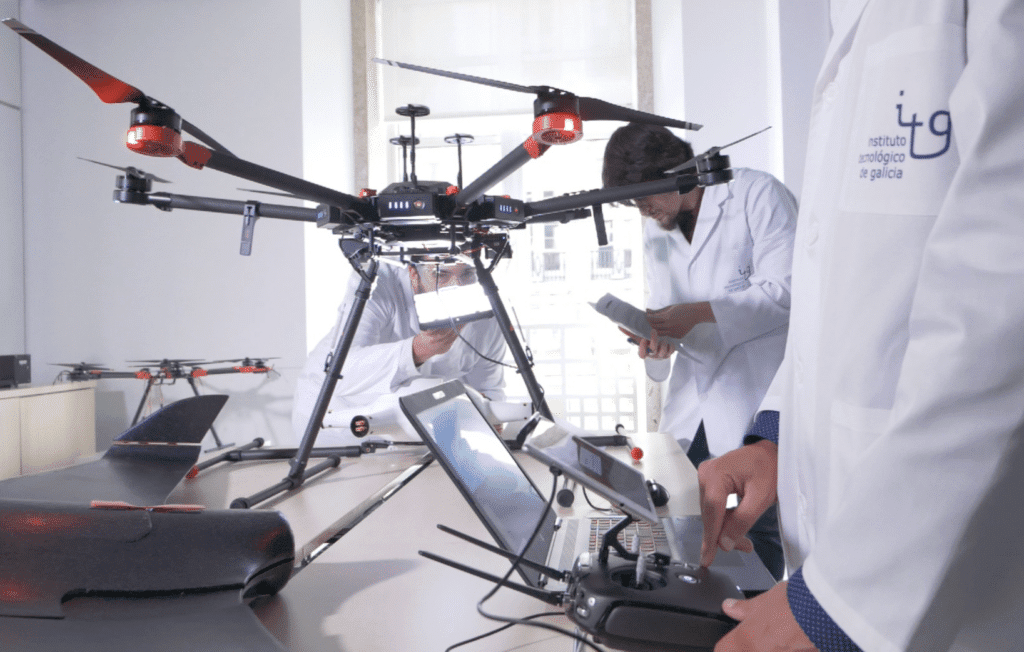
The core issue is not innovation, but the lack of proper autonomous systems validation under real-world conditions.
Most defense technologies are still evaluated in environments that do not reflect reality.
Clean signals.
Predictable scenarios.
Limited variables.
But real-world conditions introduce:
• Communication disruptions
• Environmental instability
• Adversarial interference
• Human stress and decision-making under uncertainty
In this context, the key question is no longer:
“Is the technology impressive?”
But rather:
“Does it work when everything breaks?”
This is especially critical in the emerging domain of autonomous and aerial robotic systems.
A fleet of drones is not valuable because it exists.
It is valuable if it can operate reliably under degraded conditions, coordinate in real time, and execute missions without failure when it matters most.
The difference between demonstration and deployment is where most systems fail.
And yet this is the layer where the least structured evaluation exists.
As a result, capital is often deployed ahead of true validation.
This creates a growing disconnect between perceived capability and actual performance.
Closing this gap is not just a technical challenge.
It is an infrastructure problem.
The ecosystem lacks a standardized, repeatable, and field-oriented validation layer for autonomous and defense technologies.
A layer that can answer:
• Can this system operate under real constraints?
• How does it behave under failure conditions?
• What happens when multiple systems interact in unpredictable environments?
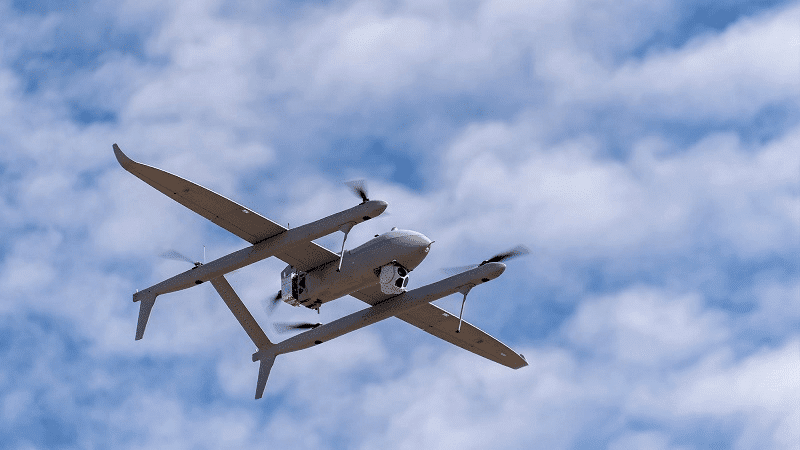
At UAX, we believe this layer will define the next generation of winners in defense and dual-use technologies.
Not the companies that raise the most capital.
But the ones that can prove — quickly and reliably — that their systems work in the field.
Without consistent autonomous systems validation, even the most advanced technologies risk failure when deployed in real operational environments.
The future of defense is not just built in labs.
It is validated in reality.
Dor Cohen
Founder of Muan Group
Co Founder at UAX