The Illusion of Dual-Use Startups

Why Two Markets Usually Means Zero “Serving both civilian and defense markets” has become one of the most attractive narratives in deep tech. It promises: For founders, it signals flexibility. For investors, it signals optionality. But beneath the surface, dual-use is often not a strategy – it is a misinterpretation of how markets, institutions, and […]
Cheap Drones vs Million Dollar Missiles: The New Math of War
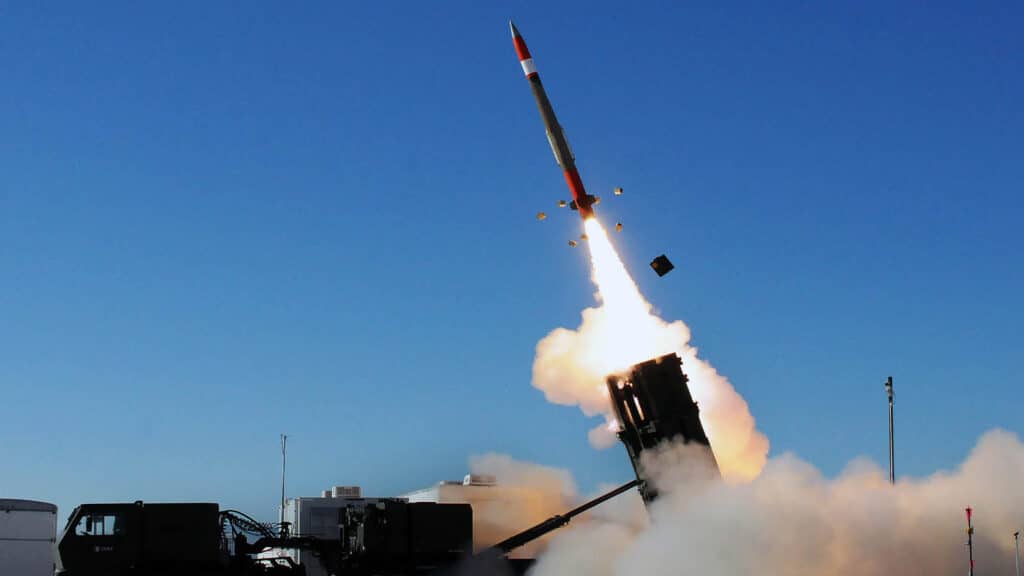
Cheap drones cost $30K. Million-dollar missiles cost $4M. The WSJ just made it a headline. UAX breaks down what the economics of the current conflict mean for defense-tech investors.
Why Autonomous Defense Systems Require Psychological Standards

Autonomous defense systems are transforming modern warfare. This article examines the growing need for psychological standards as military technologies become increasingly automated.
The Real Competitive Landscape in Humanoid Robotics

A 2026 Market Analysis of Deployment Readiness, Economic Viability, and What Investors Should Actually Measure
The Execution Gap in Hardware: Why No Model, Pitch Deck, or Simulation Is Enough

In software, iteration is fast. In hardware, mistakes are permanent. A software bug can be fixed overnight; a hardware flaw ships, breaks in the field, and can take years and millions of dollars to correct. Yet despite this fundamental difference, early-stage hardware and autonomy companies are still evaluated using frameworks borrowed almost entirely from the […]
The Unspoken War: RF Congestion, GNSS Denial & the Future of Drone Autonomy

For most people, the story of drones is still told through specs: flight time, payload capacity, sensor resolution, or autonomy levels. But the real story, the one shaping the next decade of unmanned operations is happening in the invisible spectrum.
It is a quiet, constant, and escalating war over signal dominance.
How Curated Access Is Transforming Defense-Tech Investing

Investors increasingly struggle to identify credible opportunities in autonomy and defense tech. This article explains how structured networks, vetted pathways, and technical clarity are helping VCs and corporate strategics find high-signal deals in a noisy market.