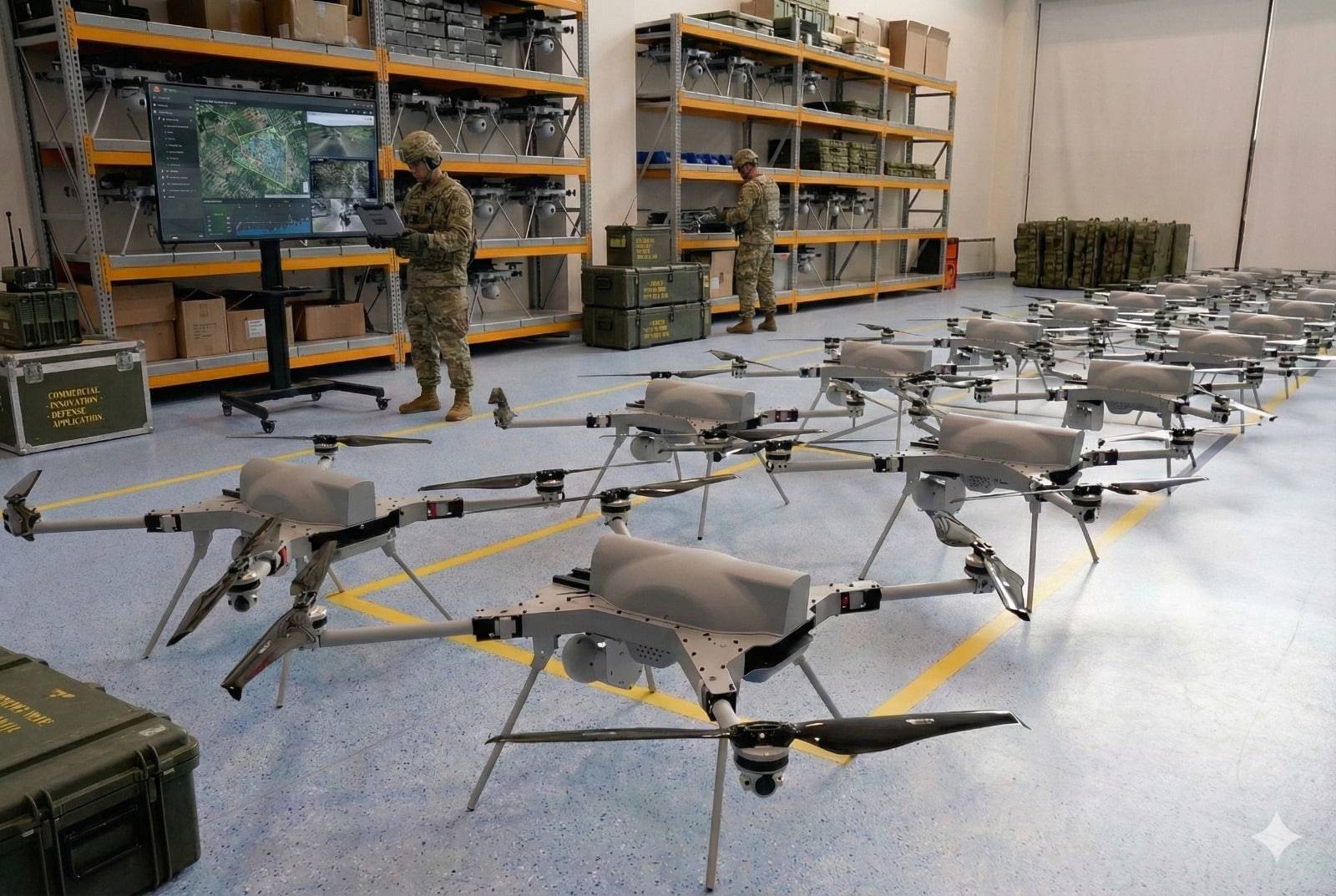
In software, iteration is fast. In hardware, mistakes are permanent. A software bug can be fixed overnight; a hardware flaw ships, breaks in the field, and can take years and millions of dollars to correct. Yet despite this fundamental difference, early-stage hardware and autonomy companies are still evaluated using frameworks borrowed almost entirely from the software world: simulations, benchmarks, controlled demos, and forward-looking models that assume reality will eventually conform to the plan. The result is a widening execution gap, the distance between what a system is designed to do and what it actually does once it encounters the physical world.
Benedict Evans, the former Andreessen Horowitz partner turned independent analyst, has described this dynamic succinctly in his writing on technology adoption: “Reality always arrives eventually, and it always arrives all at once.” In hardware, when reality arrives late, after architecture is fixed, supply chains are committed, and capital is already deployed – it doesn’t just slow progress. It can end companies outright. The uncomfortable truth is that many systems fail not because the vision was wrong, but because the confrontation with reality was postponed for too long.

“Working” Is not the Same as “Operational”
This gap becomes visible the moment a system leaves its prepared environment. Early-stage hardware often “works” under carefully controlled conditions: clean RF spectrum, stable power, predictable temperatures, minimal vibration, and limited integration stress. But operational environments are never controlled, and autonomy systems are particularly sensitive to that transition.
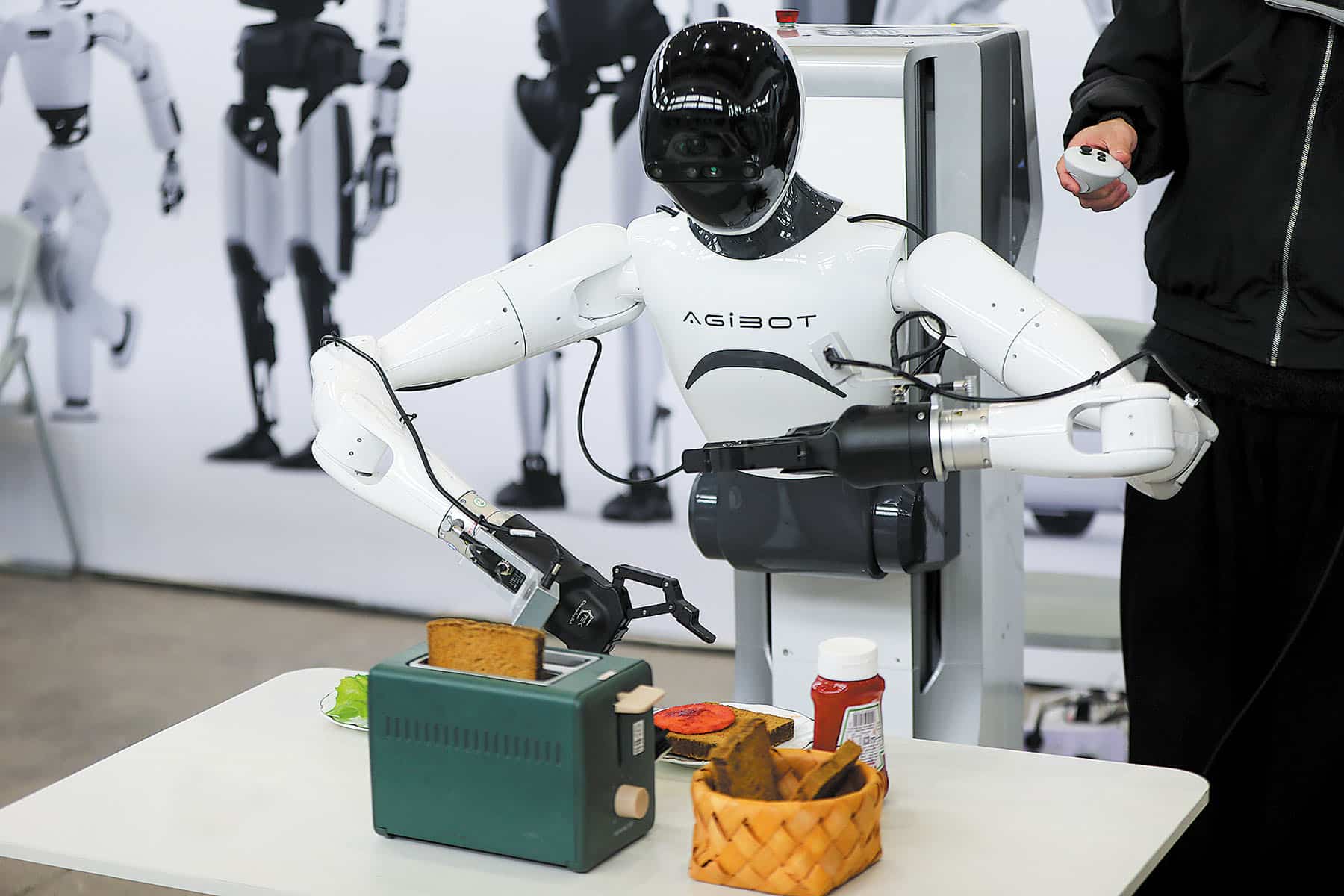
MIT Technology Review has repeatedly documented how robotics platforms that perform flawlessly in the lab degrade rapidly in unstructured real-world settings, where sensor interference, environmental noise, and human unpredictability dominate behavior (“Why Robots That Work in the Lab Fail in the Real World,” 2023). Rodney Brooks, co-founder of iRobot and former director of MIT’s Computer Science and Artificial Intelligence Laboratory, has warned for more than a decade that this so-called “reality gap” is not a minor inconvenience but a structural challenge: “The real world is messy, and robots that haven’t been tested in that mess will fail in surprising ways,” he wrote in IEEE Spectrum.
Physics does not negotiate. Materials fatigue, sensors drift, heat accumulates, vibration compounds. These effects cannot be abstracted away by better models. Worse, failures are often non-linear: a small degradation in sensor accuracy can cascade into major autonomy breakdowns once systems begin compensating incorrectly. NASA’s Jet Propulsion Laboratory has shown that many autonomous failures emerge not from individual component breakdowns, but from unexpected interactions between subsystems under stress (JPL Autonomous Systems Reliability Review, 2022). In hardware, the product is not the component, it is the integration.
The High Cost of Delayed Field Validation
The cost of discovering these truths late is severe. One of the most damaging patterns observed across the hardware ecosystem is delayed field validation, often encouraged by well-meaning advisors and investors. Founders are told to finish the prototype, raise the next round, and validate later. Large-scale industry data shows this approach consistently backfires.
McKinsey & Company estimates that design flaws discovered after production ramp-up cost between 10 and 30 times more to fix than those identified during early prototyping (“The High Cost of Late Design Changes,” 2022). Boston Consulting Group has similarly found that more than 70% of cost overruns in hardware programs originate from architectural decisions made before any meaningful real-world exposure (“Why Hardware Startups Struggle to Scale,” 2023).
By the time many teams test seriously, the system is already locked, not just technically, but organizationally. Manufacturing constraints, certification paths, and customer expectations turn what should have been a design correction into a crisis-management exercise. This is where the execution gap becomes fatal: reality does not just reveal weaknesses, it reveals them when they are most expensive to address.
Technical Diligence Is Not Documentation Review
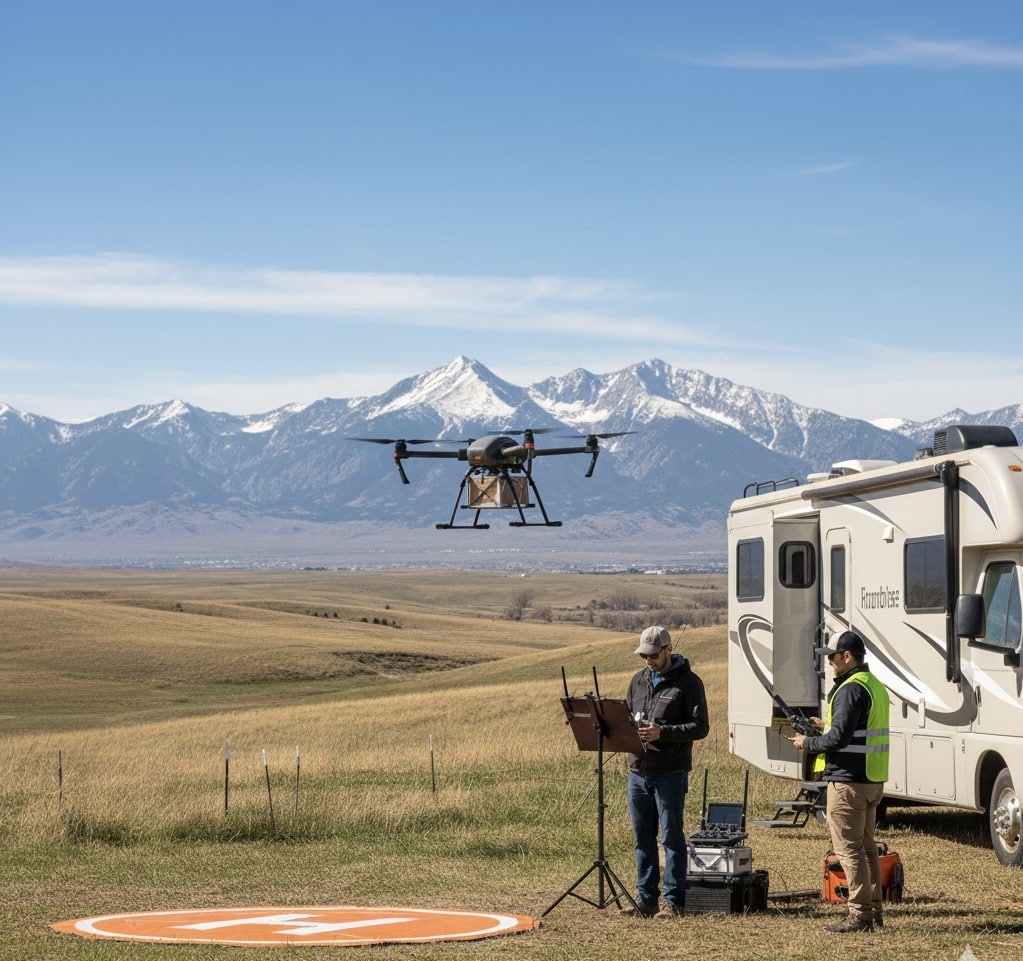
This is why technical diligence in hardware cannot be reduced to documentation review. In early-stage investing, diligence often consists of architecture diagrams, interviews with the founding team, simulation results, and controlled demonstrations. For software, this can be sufficient. For hardware and autonomy, it is dangerously incomplete. True technical diligence interrogates assumptions rather than artifacts. It asks how systems degrade, not just how they perform at peak. It examines environmental sensitivity, single points of sensor failure, timing and power dependencies, RF behavior, and failure modes under partial system collapse.
MITRE has reported that over 60% of autonomy failures in unmanned and robotic systems stem from untested environmental assumptions rather than coding errors (“Autonomous Systems Assurance,” 2021). Field tests, when done early, are not validation exercises; they are discovery mechanisms. This has been demonstrated repeatedly in programs like DARPA’s Subterranean Challenge, where systems that excelled in simulation failed quickly in real tunnels due to dust, lighting variation, and sensor interference.
As DARPA program manager Timothy Chung put it, “The gap between simulation and reality is where autonomy either matures, or breaks.” The distinction matters. Validation seeks confirmation; discovery seeks truth. Hardware progress depends on the latter.
Why Investors Should Demand Early Field Exposure
Early field testing can surface uncomfortable truths. This is where early guidance and structured exposure become more valuable than capital alone. Early-stage hardware founders are often exceptional engineers. What they lack is not competence, but sustained confrontation with operational reality.
Eric Ries, author of The Lean Startup, has warned that premature optimization is especially dangerous in hardware: “The biggest risk is building something that works perfectly, but not for the real conditions it will face” (Harvard Business Review). The strongest hardware companies are shaped early by friction: harsh environments, real users, and honest failure analysis that informs architecture before it hardens.
This is also where organizations like UAX position themselves. They are not gatekeepers, but accelerants of learning. By compressing years of operational exposure into weeks of structured field testing, architectural stress analysis, and guided iteration, they help founders, investors, and public-sector stakeholders confront reality while it can still shape outcomes. Closing the execution gap does not require better pitch decks or more sophisticated simulations. It requires meeting reality early enough for it to matter.
As Rodney Brooks has observed, “The real world is the only test environment that matters.” The companies that endure are not those with the cleanest demos, but those willing to let the world break their assumptions before it breaks their business.
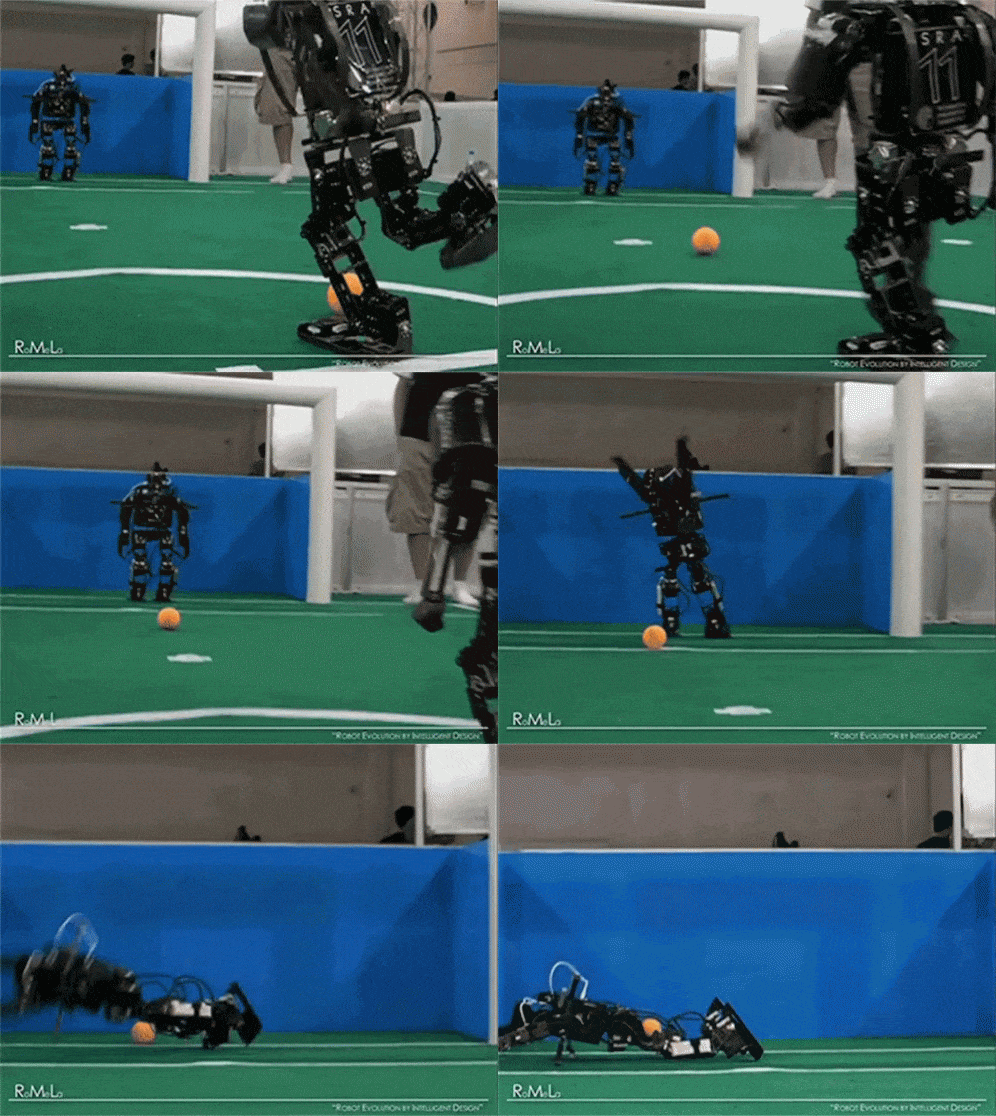
Closing the Execution Gap Means Meeting Reality Early
No model can close the execution gap.
No simulation can fully predict the world.
No pitch deck can substitute for friction.
Hardware advances when reality is introduced early enough to influence design.
As Rodney Brooks summarized it:
“The real world is the only test environment that matters.”
The companies that win are not those with the cleanest demos, but those that confront failure while they still have time to adapt.
More than 300 different firms (both defense-oriented and generalist) made investments in aerospace and defense, a significant increase from fewer than 100 in 2017.
In UAX, we are your diligence partner. Now, that it is clear technical diligence should be part of your DD, our team is here to make it right.