
Most defense startups today are being evaluated like consumer software pitches, not battlefield systems.
The stronger the narrative, the easier the round.
The cleaner the demo, the higher the valuation.
The more cinematic the video, the more investors confuse presentation with deployment readiness.
But modern conflict does not reward polished demos.
It rewards systems that survive degraded communications, operator fatigue, terrain interference, electronic warfare, bad weather, and continuous field use.
That is where many of the market’s assumptions start breaking down.
This month we spoke with a company that has spent seven years building quietly in Israel, without a flashy narrative or “AI revolution” marketing.
Visual autonomy systems actively deployed on operational drones in live combat zones. Real cash flow. Global expansion approved. Series A underway.
A few months ago, another company reached out, also operating quietly in defense. A fixed antenna system that detects drones across a given area.
They have paying customers, they have won procurements, and the system is simple enough to deploy that Kim Kardashian’s security team could set it up. Now they are expanding into civilian markets in the US.
Neither company would win a Demo Day. Both are winning in the field.
I’m not naming either of them intentionally, in this space, discretion is often part of the product.
The same week, at a separate conference, we watched VCs from New York get excited about flying baseball-shaped interceptors designed to stop drones. The presentation looked great. The system has never been validated under real operational conditions.
Apparently, a great slide deck is still enough to raise millions, even if the product has never met a real drone outside a controlled environment.
As of today, billions have been invested into counter-drone systems globally, yet low-cost explosive drones built from commercial components continue generating operational pressure across active conflict zones. Just yesterday in Lebanon, three Israeli soldiers were injured by an explosive drone that likely would never make it through the investment committee.
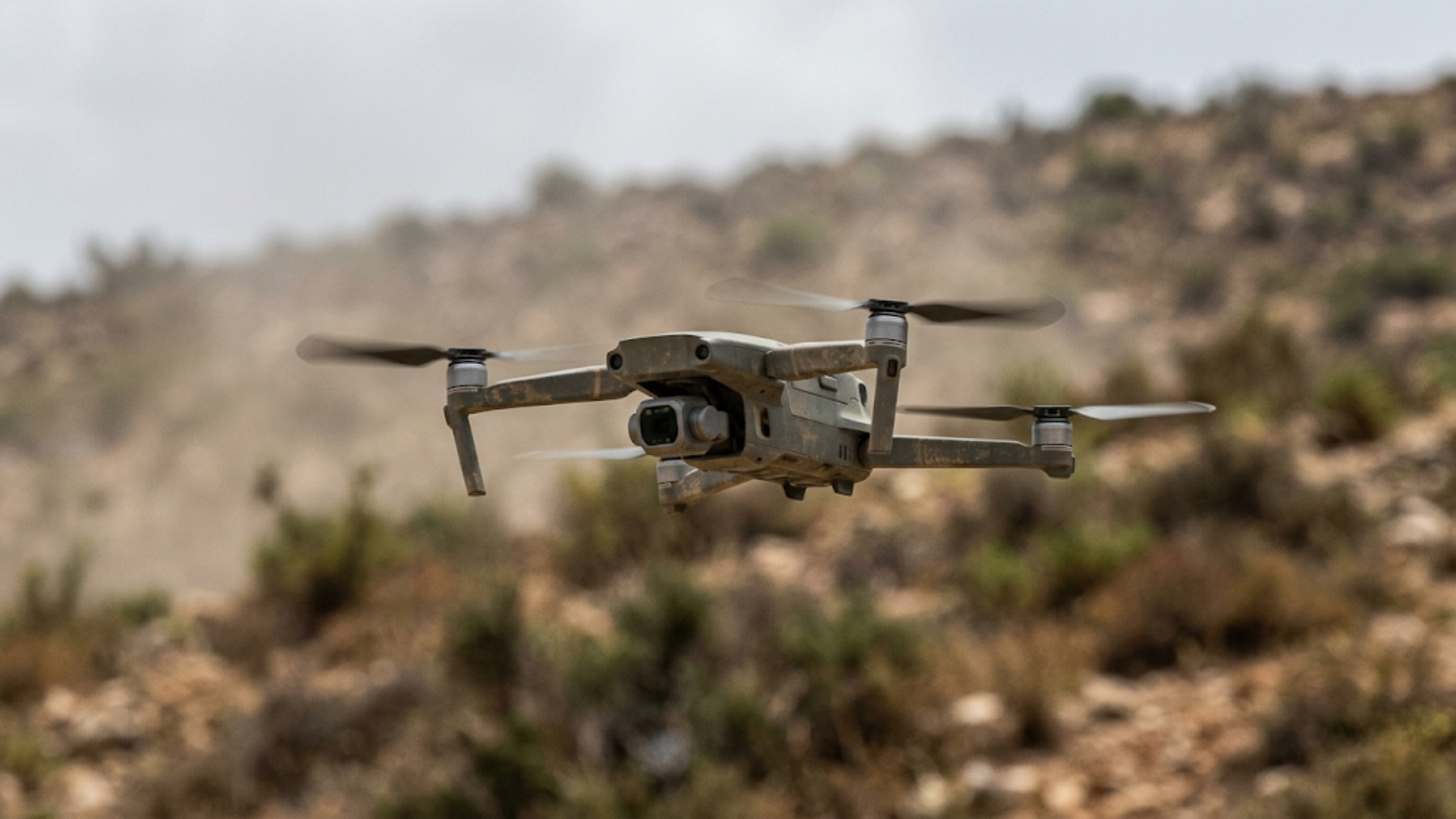
Because the challenge is no longer just detection.
It is deployment survivability.
The questions Demo Day never answers:
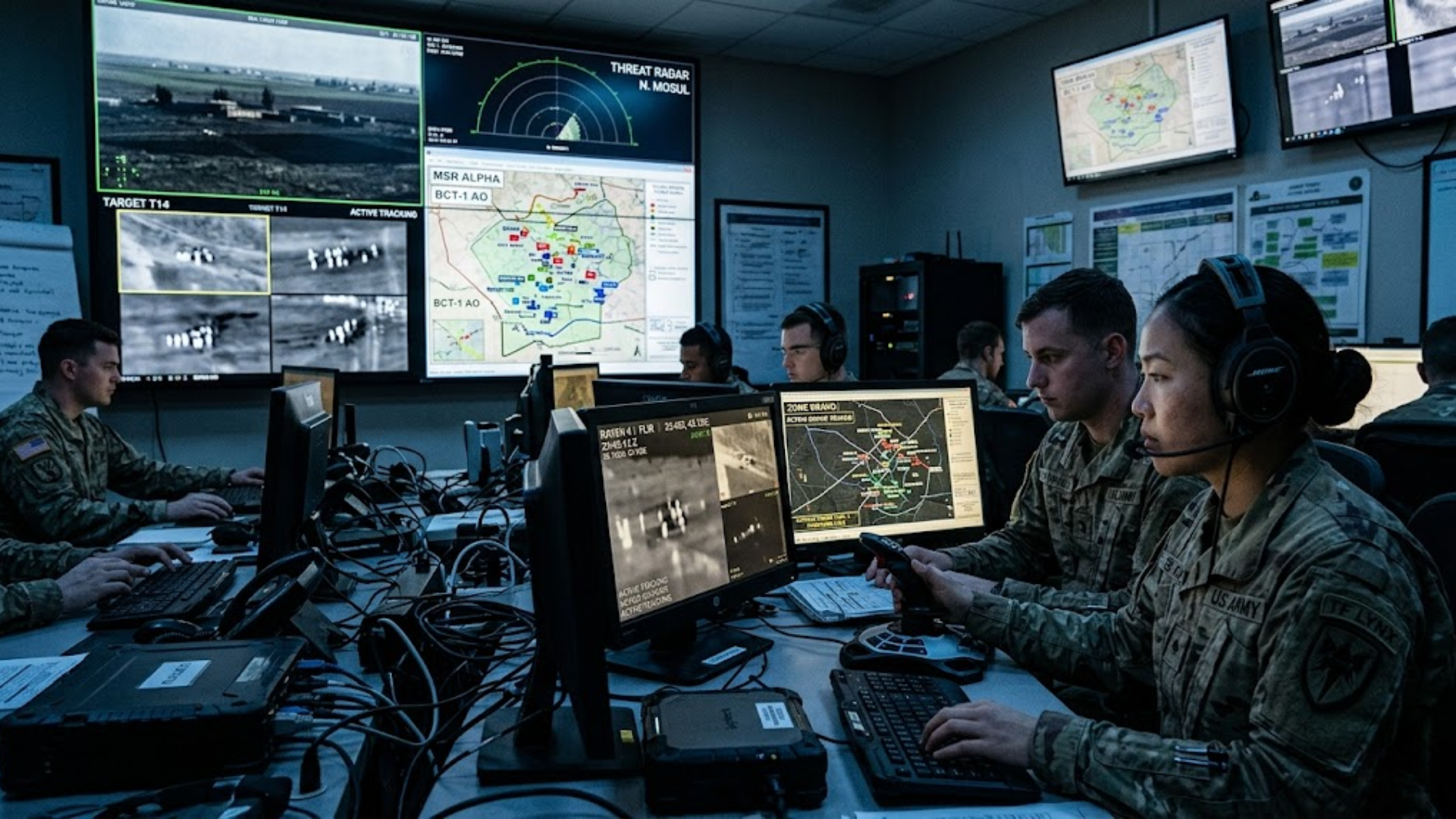
Those questions rarely get answered during Demo Day.
But now, more and more investors are starting to understand that traditional software-style Demo Days are poorly suited for evaluating defense systems.
Instead, you need a Field Test Day — a deep technical diligence process conducted by real operators with boots on the ground to answer those questions.
The companies most optimized for fundraising are not always the companies most prepared for deployment.
And in defense, deployment is the only thing that compounds.

