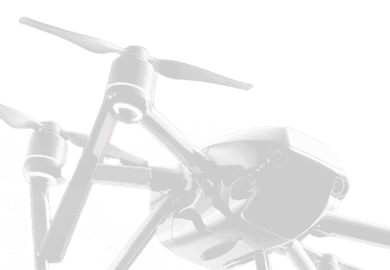
Counter-drone doctrine has long rested on a comfortable assumption: jam the link and you stop the drone. Cut the radio connection and the threat falls out of the sky. Whole families of electronic-warfare systems were built around that idea.
Fiber-optic drones break that model. Instead of a radio link, they trail a hair-thin spool of optical fiber back to the operator, which leaves nothing to jam, nothing to spoof, and almost nothing for traditional electronic warfare to disrupt. We’ve already seen this play out in Ukraine, where fiber-optic FPV drones continue operating in heavily contested electronic warfare environments that would challenge many conventional systems.
From a technology and investment standpoint, that’s what makes them worth watching — not because they’re a new kind of drone, but because they break several assumptions baked into today’s counter-UAS architectures. What interests us more is what happens when these systems stop arriving one at a time.
nothing to jam or spoof
optical fiber only
EW combat environments
A Swarm Is Not Just A Bigger Drone
A single drone is a target: detect, track, defeat. Most fielded systems can manage that, and even handle a small handful at once. A swarm is a different category of problem. Picture dozens approaching from multiple directions — some running reconnaissance, some acting as decoys, a few carrying the actual payload. The radar picture fills up, operators overload, and interceptors run out. The fight stops being about defeating a single drone and becomes about defeating enough of them before the ones that matter get through. That’s a scale problem, and scale is exactly where current systems struggle most.
Finding Them Is The First Fight
You can’t defeat what you can’t see, and fiber-optic drones strip away one of the easiest ways to find them by removing the RF link most counter-UAS systems were built to hunt. The answer is layered detection: radar, electro-optical, infrared, and acoustic sensors working together to build one coherent picture of the battlespace. Whoever assembles that picture first, and trusts it enough to act, wins the opening exchange.
The Real Bottleneck Is The Human
The hardest constraint isn’t the interceptor or the sensor. It’s the operator. A person can only process so much information and authorize so many engagements before the swarm outpaces them, and past a certain scale, keeping a human in every decision stops being a safeguard and becomes the choke point. That is pushing the industry toward automation — not because it’s fashionable, but because the engagement timeline leaves no real alternative.
Where This Is Heading
No single technology solves this. Cheap interceptor drones are already beginning to rewrite the economics of air defense. A Patriot interceptor can cost more than $3 million per shot, creating a challenge when defending against large numbers of low-cost threats.
Directed-energy systems point further down the same road, offering the ability to engage multiple targets without relying on expensive interceptors. And the least glamorous options deception, dispersal, hardened infrastructure, and operational redundancy will matter more as attacks get cheaper and more frequent.
But the real opportunity isn’t building the next drone. It’s building the systems that let defenders detect, prioritize, and respond to hundreds of autonomous threats at once.
The drone isn’t the story.
The swarm is.
As fiber-optic systems mature, the question for defense organizations and investors alike is no longer how to stop a drone. It’s how to build defenses that scale faster than the threat.
The companies that solve that challenge may help define the next generation of defense technology.
Sources & Further Reading
- Business Insider — Russia and Ukraine’s growing use of fiber-optic FPV drones: businessinsider.com
- Militarnyi — Coverage of fiber-optic drone developments and operational deployment: militarnyi.com
- CSIS — Analysis of counter-UAS systems, autonomy, and defense technology trends: csis.org