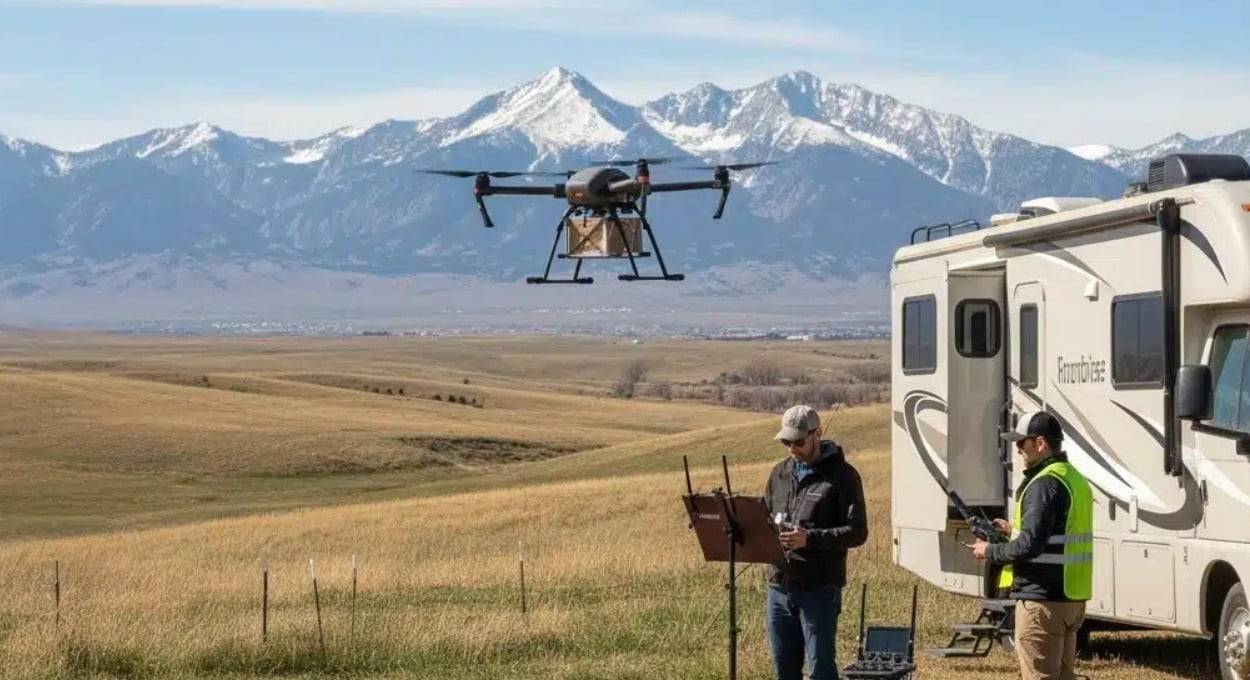
Investing in hardware startups requires a fundamentally different mindset than investing in software companies.
Venture capital playbooks developed for SaaS businesses often fail to account for manufacturing complexity, capital intensity, and long development cycles common in deep-tech hardware ventures.
Investing in hardware startups requires a fundamentally different approach than investing in software companies. Venture capital playbooks built around SaaS growth models often underestimate the operational complexity, capital intensity, and manufacturing challenges involved in scaling deep-tech hardware companies.
This difference matters even more when the hardware in question operates autonomously and even more again when it operates in defense contexts.
Hardware Investing in Defense Tech: Why the Gap Is Even Wider
Defense technology inherits all the complexity of hardware investment and adds several layers on top: sovereign procurement processes, security clearance requirements, export control regulations, and operational environments where failure is not just a product problem, it is a strategic one.
Capital is flowing into autonomous defense systems faster than ever. But most investors are applying consumer-tech frameworks to a fundamentally different category and the gaps are significant.
The numbers reflect this shift. Venture investment in defense tech has grown fourfold since 2018, running at approximately $3.8 billion for the first three quarters of 2024 alone. 3D Printing Industry Niche VC funds focused exclusively on defense tech have emerged, and major firms including Andreessen Horowitz, General Catalyst, and Founders Fund have all made significant bets in physical AI and autonomous platforms. What was once considered too complex or too regulated for venture capital is now one of the most competitive categories in the market.
Defense robotics is no longer a niche corner of the investment landscape. Venture capital flowing into autonomous systems, unmanned platforms, and AI-driven defense technology has grown dramatically over the past three years driven by the visible impact of drone warfare in Ukraine, accelerating procurement budgets in the US, Israel, UK, and allied nations, and a generation of deep-tech founders who grew up building robots.
But investment activity and investment sophistication are not the same thing. Many of the frameworks being applied to defense robotics today were built for SaaS, consumer hardware, or even traditional aerospace and they are poorly matched to the realities of how autonomous defense systems actually get developed, validated, and deployed.
Here is what serious investors need to understand before writing a check in this space.
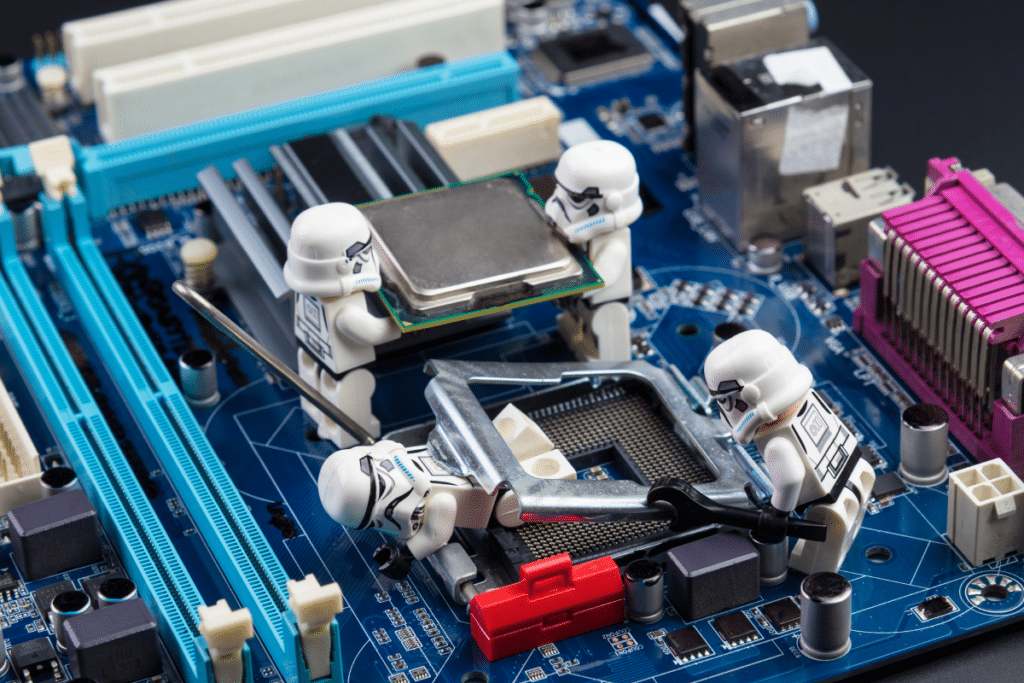
1. Concept Feasibility: Can This Technology Actually Exist?
One of the most common mistakes investors make is modeling defense robotics revenue timelines based on enterprise software sales cycles. In reality, defense procurement, especially for novel autonomous systems, operates on a fundamentally different clock.
Regulatory approval, operational testing, integration with existing military infrastructure, and classification requirements can extend the path from working prototype to contracted deployment by years. This does not mean the opportunity is not real. It means that runway planning, milestone structuring, and exit assumptions need to be calibrated accordingly.
Founders who understand this who have navigated procurement pathways before or have strong government relationships are significantly de-risked compared to technically brilliant teams with no experience in the public sector.
“The best defense robotics companies are not just engineering shops. They are organizations that understand how governments buy, what operators actually need, and how to survive a three-year validation cycle.”
2. Engineering Validation: Does It Actually Work Outside the Pitch Deck?
Autonomous systems are extraordinarily compelling in demonstration environments. Clean lab conditions, controlled test ranges, and carefully selected scenarios can make almost any platform look production-ready.
The relevant question is not whether the system works in a demo. It is whether it works reliably under the conditions it will actually face degraded GPS, electronic warfare environments, adverse weather, edge-case sensor failures, and operators who are tired, stressed, and working under time pressure.
This requires a different kind of technical diligence than most investors are used to conducting. Hardware reliability metrics, software failure mode analysis, human-machine interaction testing, and operational scenario stress-testing all need to be part of the evaluation process.
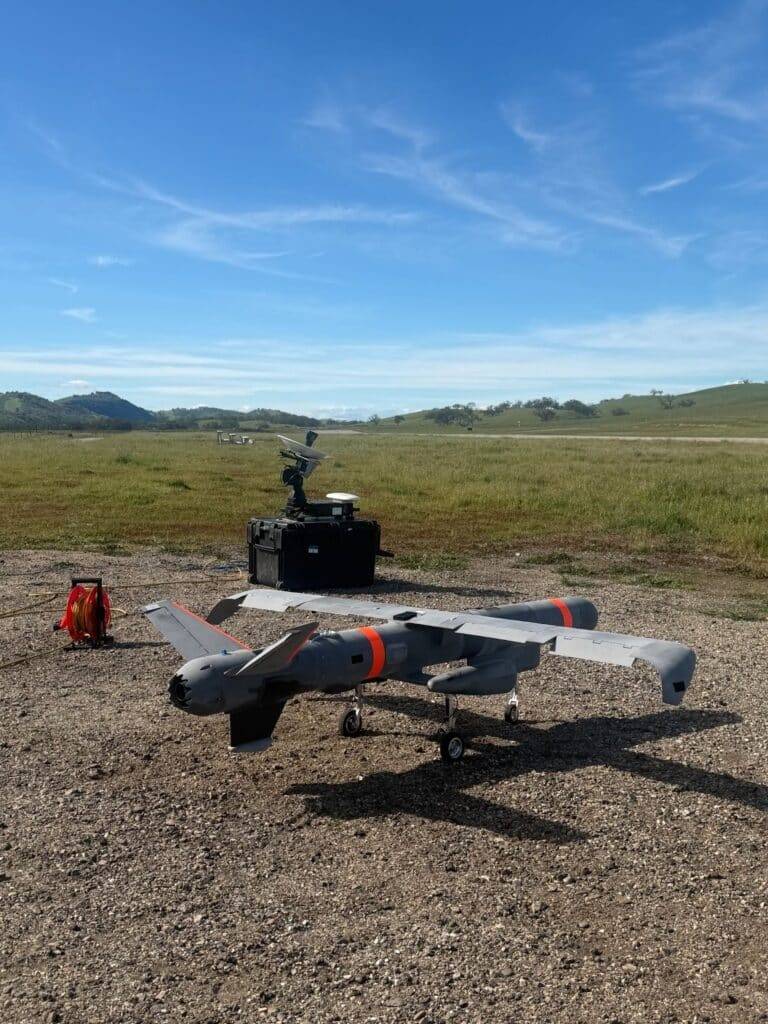
3. Manufacturing Readiness: Can This Product Be Built Repeatedly at Scale?
As autonomous systems become more capable, investment attention tends to focus on the machine side, the algorithms, the sensors, the computer. But operational experience consistently shows that the most critical vulnerabilities in deployed autonomous systems are not in the hardware or software alone. They are in the interface between human operators and autonomous systems.
How does an operator know when to trust the system’s judgment and when to override it? How does the interface communicate uncertainty? What happens to decision quality when an operator has been managing multiple autonomous assets for six hours straight?
These are not soft questions. They are engineering questions with measurable answers and companies that take them seriously tend to build systems that actually survive contact with real operational environments.
4. Deployment Validation: Will Customers Actually Use It?
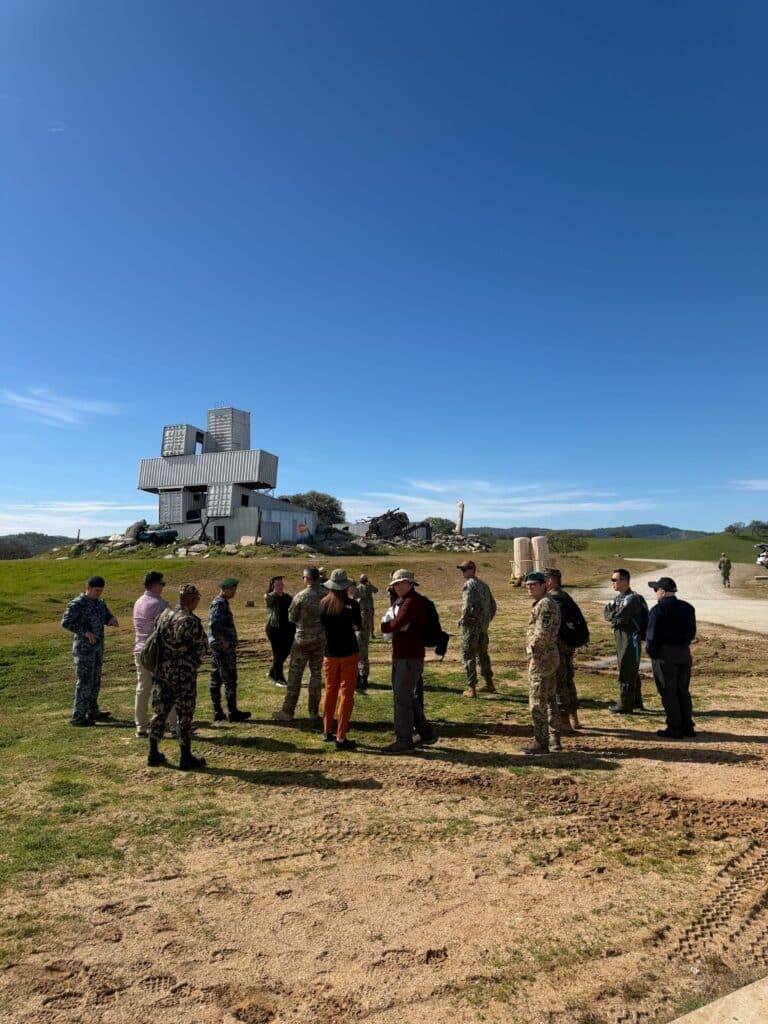
Defense robotics is not a global market in the way that consumer technology is. It is a collection of sovereign procurement markets, each with its own regulatory requirements, security clearance structures, technology transfer rules, and relationship dynamics.
A company that has successfully sold to the Israeli Ministry of Defense has not automatically unlocked the US DoD market, or the UK MOD, or the Australian Defence Force. Each requires a distinct go-to-market approach.
United States: Largest market, highest barriers — ITAR, FedRAMP, and lengthy ATO processes are table stakes.
Israel: Most agile procurement environment globally, strong test-bed for new autonomous systems.
United Kingdom: Strong NATO alignment, active innovation procurement programs.
Germany & Poland: Rapidly growing budgets post-2022, strong industrial base partnerships required.
Australia & Japan: Emerging autonomous systems budgets, strong alliance procurement pathways.
5. Strategic Investment Diligence: Is This Company Ready to Become an Industry Player?
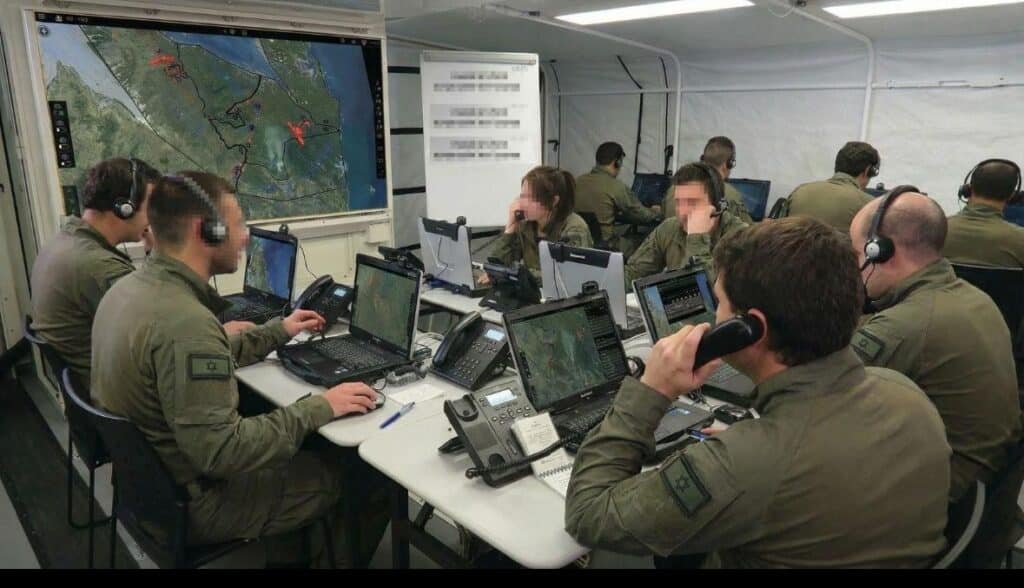
The skills required to build a successful defense robotics company are not the same as those required to build a successful consumer robotics or industrial automation company. The team needs to combine deep engineering capability with operational domain expertise of people who understand not just how autonomous systems work, but how they get used in real military and security contexts.
This combination is rare. When evaluating teams, investors should look for evidence of operational experience alongside technical credentials advisors with field deployment backgrounds, early hires from defense programs, or founders who have spent meaningful time embedded with the organizations they are building for.
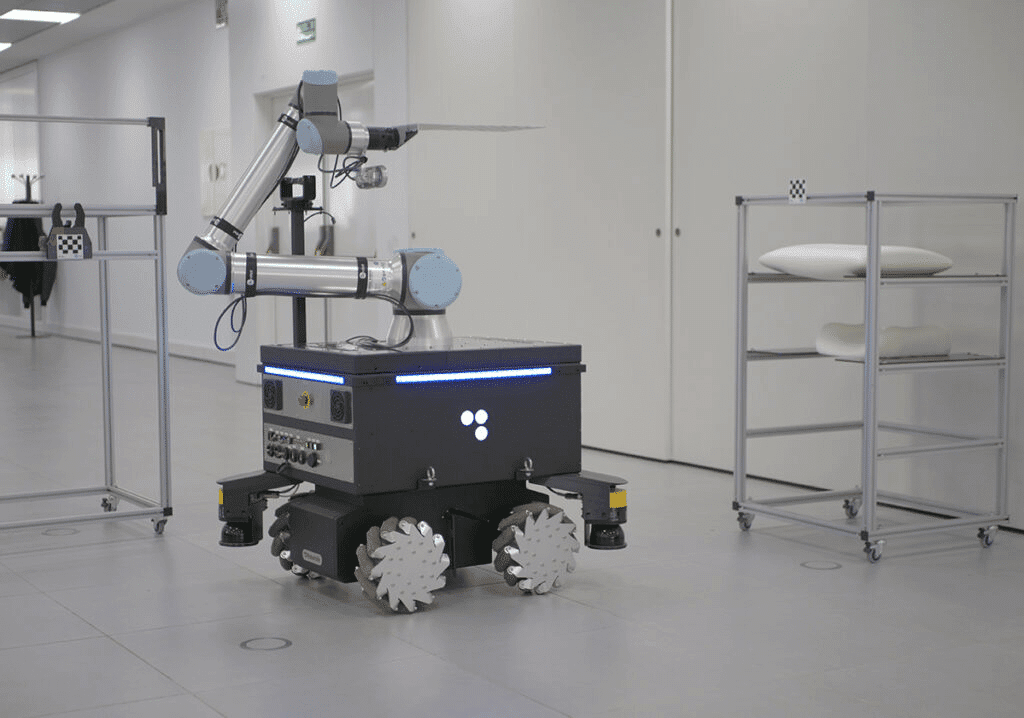
“Technical capability is necessary but not sufficient. The companies that win will be the ones that can translate engineering excellence into operational reliability and that requires a very specific kind of team.”
What This Means for Investors
Defense robotics is a generational investment opportunity. The convergence of software-defined hardware, AI-driven autonomy, and dramatically increased government procurement budgets is creating companies with real, durable value, not just hype.
But capturing that opportunity requires a more rigorous approach to evaluation than the market has generally applied so far. Technical diligence needs to extend beyond the demo. Procurement timelines need to be modeled honestly. The human-machine layer needs to be evaluated alongside the engineering stack. And geography needs to be treated as a strategic variable, not an afterthought.
The investors who build this capability or partner with organizations that have already built it will be significantly better positioned to identify the real winners in this space before they become obvious to everyone else.
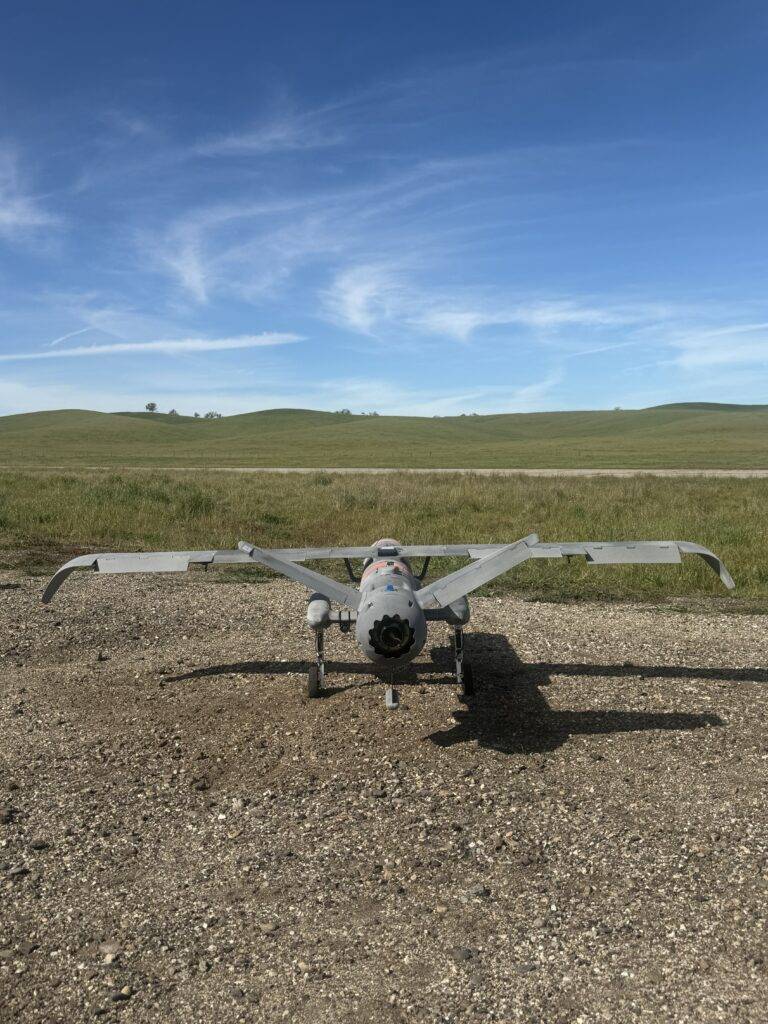
At UAX VC, we specialize in technical diligence for autonomous systems and defense technology helping investors and founders navigate the gap between engineering capability and operational deployment. To learn more, visit our page.